
How Family Members and Carers Can Support a Loved One’s Rehabilitation
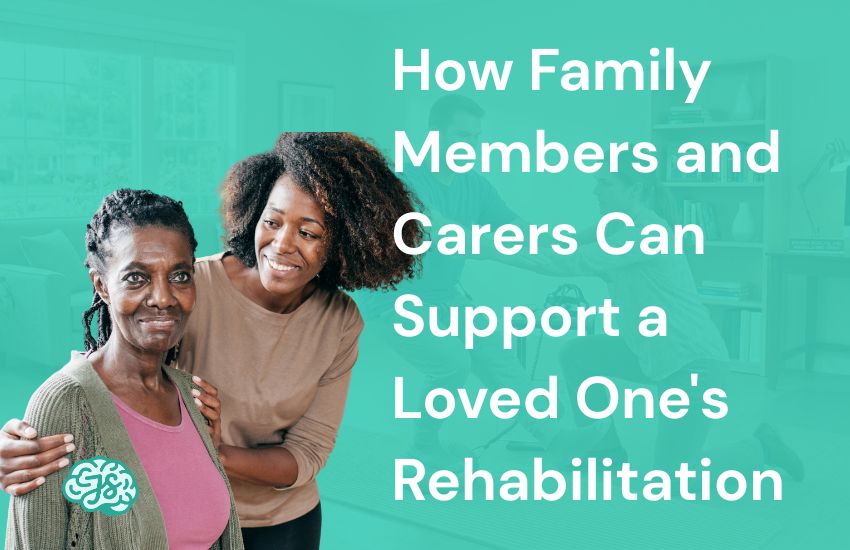
When someone you love is living with a neurological condition, it is natural to want to do everything you can to help. But knowing exactly how to support a loved one through rehabilitation can feel uncertain at times. How much should you help? When should you step back? And how can you make the biggest difference to their recovery?
The truth is that family members and carers play a vital role in neurological rehabilitation. Research consistently shows that people with strong support networks tend to make better progress in their recovery. Here are some of the most meaningful ways you can help.
Encourage and participate in home exercises
Most rehabilitation programmes include exercises and activities to be carried out between physiotherapy sessions. These home programmes are a crucial part of the recovery process, but it can be difficult to stay motivated when progress feels slow or exercises feel challenging.
As a family member or carer, you can play a hugely important role in encouraging your loved one to keep up with their exercises. This does not mean pushing them too hard, but rather offering gentle encouragement, sitting with them while they exercise or simply acknowledging the effort they are putting in. Your presence and support can make all the difference to their motivation and consistency.
Be involved in physiotherapy sessions
If your loved one is receiving home visit physiotherapy, you have a wonderful opportunity to be involved in their sessions directly. Jo is always happy to include family members and carers in appointments, explaining the purpose of different exercises and techniques and demonstrating how you can support your loved one safely and effectively between sessions.
Being involved in sessions gives you a much clearer understanding of your loved one’s rehabilitation programme and helps you to feel confident in supporting them day to day. It is also a great opportunity to ask questions and raise any concerns you might have.`

Focus on ability, not disability
One of the most powerful things you can do as a carer or family member is to focus on what your loved one can do, rather than what they cannot. It is easy to fall into the habit of doing things for someone when they are struggling, but this can sometimes reduce their opportunities to practise and develop their skills.
Where it is safe to do so, encouraging your loved one to attempt tasks independently, even if it takes longer or looks different to how it used to, can be hugely beneficial for their confidence and their rehabilitation. Your physiotherapist will always advise on which activities are safe to encourage and which may need additional support.
Look after your own wellbeing
Supporting someone through neurological rehabilitation can be emotionally and physically demanding. It is important to remember that you cannot pour from an empty cup. Looking after your own health and wellbeing is not a luxury, it is a necessity, both for your own sake and for the sake of the person you are caring for.
Make sure you are taking time for yourself, accepting help when it is offered and reaching out for support if you need it. There are many organisations and support groups available for carers of people with neurological conditions, and connecting with others who understand your experience can be incredibly valuable.
Getting started
If your loved one is living with a neurological condition and you would like to find out more about how specialist home visit physiotherapy could support their recovery, Jo would love to hear from you. Get in touch today for a friendly, no obligation conversation about how Jo can help.